

How 3PLs can fight the hidden costs of yard congestion with a YMS
March 5, 2026

The Conduit Team

How 3PLs can fight the hidden costs of yard congestion with a YMS
March 5, 2026
The Conduit Team
How 3PLs can fight the hidden costs of yard congestion with a YMS
March 5, 2026
The Conduit Team
How 3PLs can fight the hidden costs of yard congestion with a YMS
March 5, 2026
The Conduit Team
Yard congestion can create temporary chaos, but it also has hidden costs that can be hard for 3PLs to identify and prevent. Loss of productivity, detention fees, and carrier mistrust can take you by surprise, leading to material losses for your business.
It’s a common issue: Facilities get caught in reactive loops. Everyone does their best to keep throughput on track, but without the right information—and tools to interpret that information—it’s easy to drift further from plans and schedules.
But when 3PLs can connect daily demands with real-time operational objectives, like labor plans, OTIF targets, and dwell time goals, congestion becomes much less likely. A strong yard management system (YMS) provides actionable visibility into arrivals, shipment and carrier data, and real-time yard activity, so you can spot and solve congestion directly.
Some of these benefits flow naturally from technology. Automations, guardrails, and timely notifications make yard coordination easier and less burdensome. These features give your team the visibility and bandwidth to make better decisions when things go as planned and when they’re at risk.
That agility is even more helpful when congestion occurs. Centralizing your operations in a yard management system means everyone works from the same signals to achieve the shift’s goals.
That’s because the ideal system consistently distributes the right information to the right people and makes room for staff expertise and intervention when situations call for it. This combination of system-led insight and staff control is the key to keeping yard congestion at bay.
In today’s market, it’s crucial that 3PLs align operations around system-led insights. The hidden costs of congestion can destabilize 3PLs beyond just the immediate impacts of any specific event, but a good YMS supports predictable activity and limits everyday supply chain risks from hurting profitability and customer satisfaction.
Read on to learn how yard management can help reduce avoidable losses and support stronger operations.

How Yard Management works
Each YMS has different interfaces and features, but here’s how Conduit’s yard management system works.
An interactive digital yard map provides a live, visual representation of all live loads and drop trailer locations, current statuses, such as full, empty, or rejected, and dwell times.
You can assign tasks to yard jockeys so they can see task lists, trailer information and any custom notes. The system tracks productivity for performance monitoring.
Detailed activity logs automatically record every trailer move and status change into searchable history logs for easy retracing.
Real-time asset tracking offers immediate visibility into drop trailer locations to eliminate time-consuming yard hunts.
With information flowing in and out of the system, yard management becomes easier than with traditional manual efforts, because updates are based on appointments, arrivals, and departures.
Your customers also gain visibility into order status via a customer portal that reflects your 3PL’s brand experience.
Real-time visibility and control are embedded into the system so you can always see what’s happening and make the right decisions for the shift.
Connect dock scheduling for better yard-to-dock flow
With integrated dock scheduling and virtual gate management, you can synchronize yard moves with dock appointments to ensure trucks arrive at doors exactly when needed.
This replaces manual emails and spreadsheets so trucking companies can book their own appointments based on your facility's real-time capacity and custom rules.

Setting up the guardrails is easy, and, if anything changes before or during arrivals, the system either requires carriers to fix issues or provides you with insights to solve pressing exceptions.
Integrated dock scheduling also lets everyone plan appropriately. Inbound drops flow automatically from dock scheduling onto the yard map. When a trailer is ready, the carrier will be notified automatically.
Keep the yard clear with contactless driver check-in
Contactless driver check-in connects with yard management to help prevent congestion when drivers are underprepared for arrival.
When a driver arrives at the facility, they scan a custom QR code located on a sign or at a tablet kiosk without needing to leave their vehicle.
The driver follows a customizable check-in flow on their own smartphone or tablet.
They input details like motor carrier (MC) numbers, trailer numbers, and appointment information and upload scans of bills of lading (BOLs) and their commercial driver license (CDL) directly through the mobile interface.
Once drivers are checked in, the system acts as a source of truth to verify driver identification and arrival times, helping to support performance metrics and anti-fraud efforts.
Carriers can also see specific views of their own assets based on driver check-in and check out. This may simplify the coordination of drop and hook loads.
Contactless check-in also reduces administrative burdens on your staff. Implementing the solution only takes a few hours or less, so staff can eliminate some of the overwhelm that comes with typical check-ins and reallocate their focus to keep shipments moving.
Manage common scenarios more efficiently
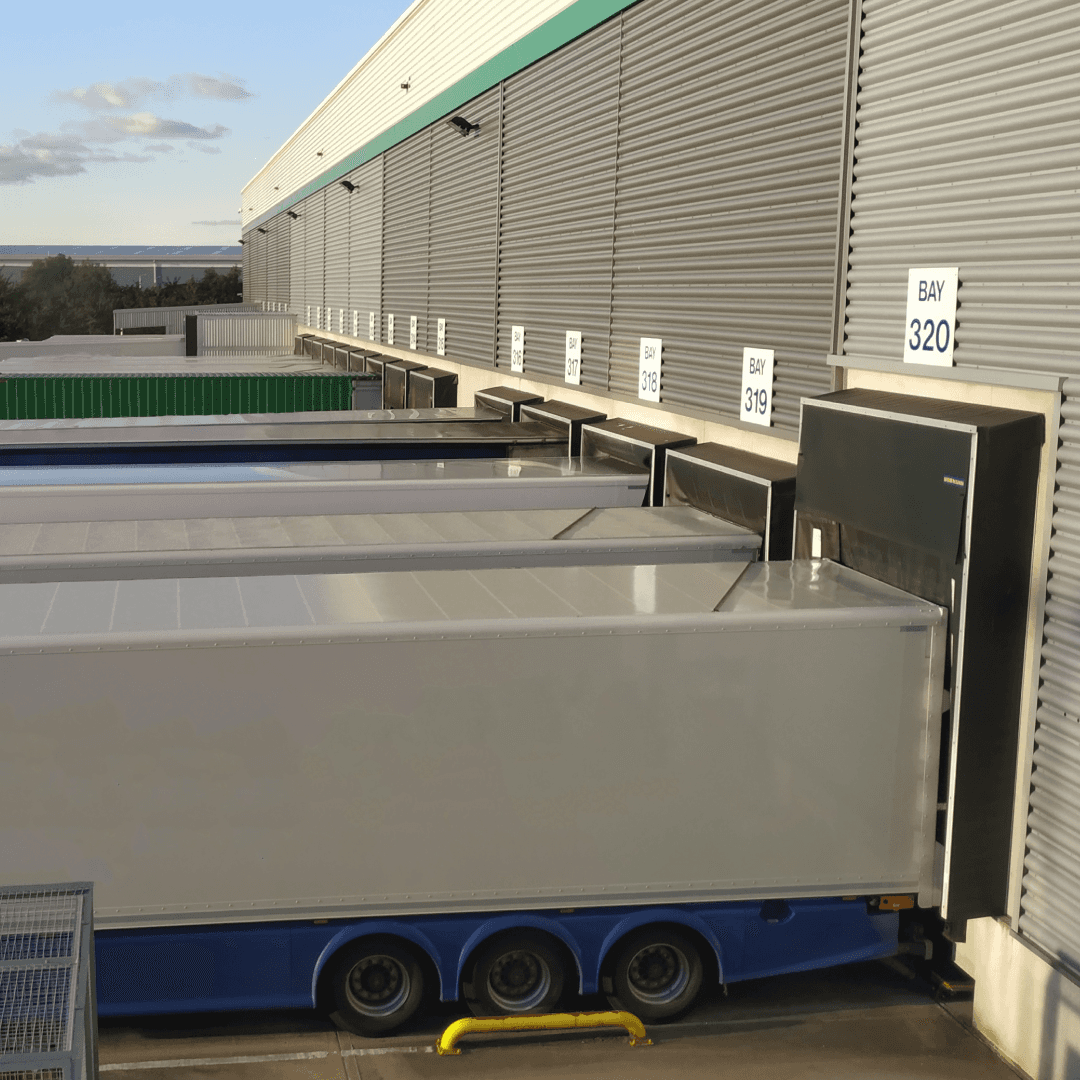
Your YMS can support optimal, case-specific forms of collaboration. This matters when yards get busy and everyone is focused on different tasks. Use your system to get a big-picture view of activity and coordinate staff around your objectives.
For example, in the yard, it’s easier to orchestrate yard jockeys and drivers when you can see which trailers are where and where they’re headed. This lets trucks flow towards dock doors for more efficient turns and high throughput that meets expectations.
Yard coordinators can provide digital instructions via text to phones and tablets, reducing and targeting physical movements and further lowering the risk of congestion.
Custom and built-in guardrails extend beyond driver check-in and allow 3PLs to mitigate financial risks by monitoring and flagging dwell times that could trigger detention fees. This lets you prioritize at-risk scenarios so you can sidestep unnecessary costs.
As a whole, the system uses check-in and yard information to become a source of truth for trailer movement, dwell times, and staff activity. The right features provide visibility and operational control that allow yard activity to flow efficiently.
Reduce detention and demurrage fees
Detention and demurrage fees are charged by carriers when drivers or equipment, including trucks, trailers, or containers, are held at a facility beyond a pre-negotiated, free-time window. Once the window closes, fees accrue hourly or as a flat daily rate depending on the carrier contract.
These fees are designed to compensate carriers for the lost opportunity cost of their time or equipment, because they can’t earn on utilization elsewhere.
Detention fees aren’t just part of the cost of business, though. They’re an actionable signal of how organized and efficient your yards and docks are, surfacing insights into your ability to coordinate and synchronize multiple demands at once.
For busy 3PLs or operators with multiple sites, this will always be a core challenge. Yard management with real-time visibility can help reduce fees and other impacts that arise from lack of visibility, low coordination, and resulting bottlenecks. The right YMS provides central visibility into all of your facilities and yards for easier management, reporting, and customer collaboration.
Why detention and demurrage cost more than you think
Detention and demurrage fees cause direct profit and profit-margin compression. In some cases, they can wipe out profitability at the load level or even for the entire day’s operations.

Costs are often uneven, changing with market conditions and carrier contract terms, making it difficult to blend them into pricing. This means 3PLs not only absorb the costs, but also struggle to forecast cash flow and margins accurately.
Those forecasting challenges can constrain resource allocation, but more importantly, they constrain growth. It’s difficult to invest in more space, new equipment, or greater capabilities when capital is locked up in reserve for preventable waste.
Repeated detention or demurrage may also signal to carriers that serving your facility is a business risk. Keeping their equipment throttles their ability to serve the larger market—and that impacts their profitability. They may respond with rate hikes, tougher contract terms, or service refusals. The complications can create financial and operational challenges that are hard for 3PLs to overcome.
The hidden way congestion worsens detention fees
Yard congestion is often the root cause of detention fees. Congestion creates a bullwhip effect that disrupts efficiency across a site and potentially into other sites.
Bullwhip effects occur when exceptions result in misaligned responses. Each response strays further from what’s really needed until miscorrections compound to the point of material loss.
Synchronization failures often create a cascade of delays, disrupting yard and dock schedules across a shift. The resulting congestion can put space, labor, and equipment resources at a premium, increasing the risk of accidents and slowing the flow of traffic in and out of the facility.
While teams work to clear the yard, gaps appear in other areas of productivity, either because workers are reallocated to aid with the congestion or because they’re forced into idle time, representing sunk cost. The scramble or stand-around effect becomes more pronounced as congestion fails to clear, increasing the disjointedness of your operations.
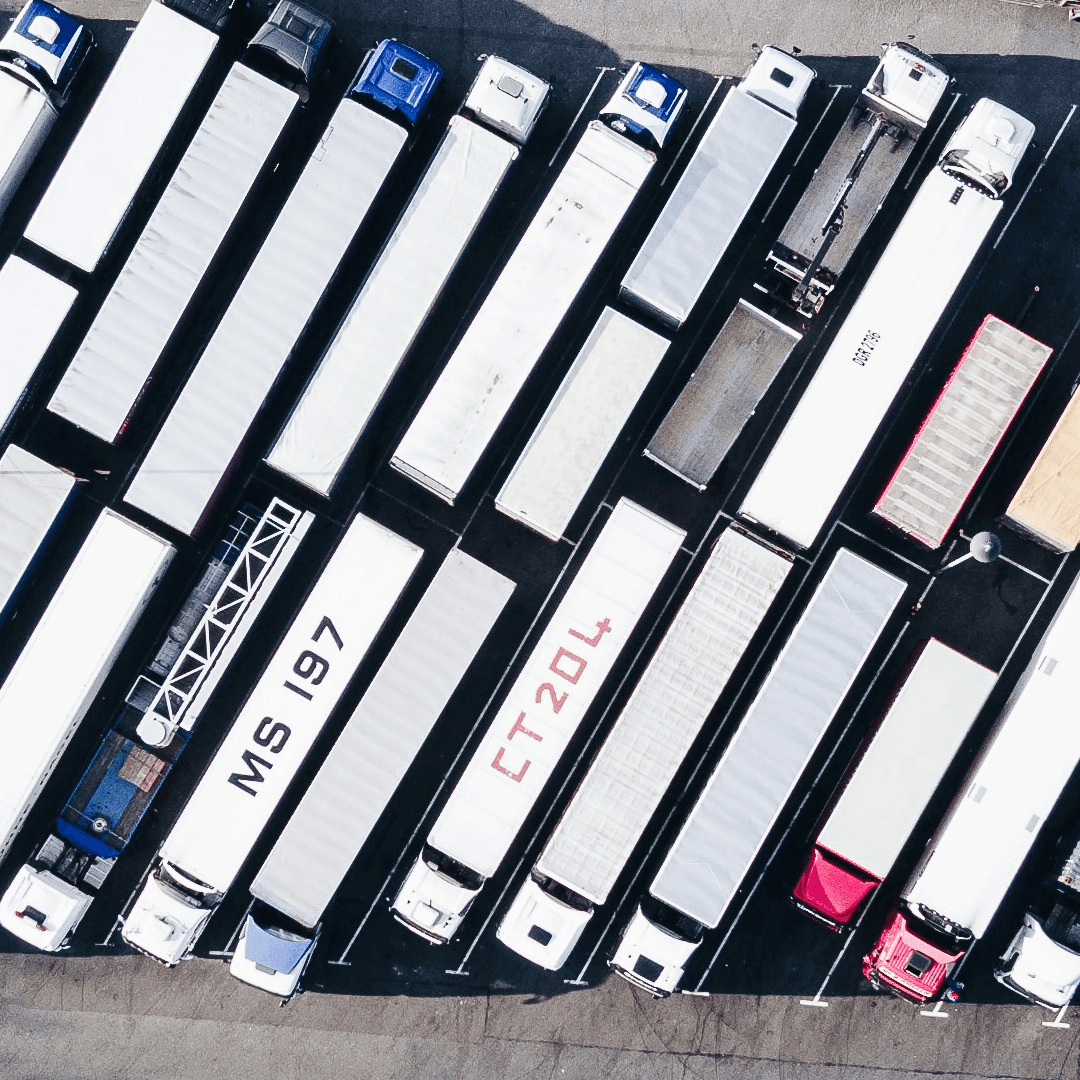
Equipment utilization suffers the bullwhip effect, too, with equipment either rushed to the site of the bottleneck or remaining idle. This further risks detention fees and threatens throughput capacity. Even if idle teams can redirect their focus, reallocated equipment may stymie their ability to perform, pushing the impact further towards loss as other shipments stall.
But, in a high-velocity logistics environment, yard congestion and resulting bullwhips aren’t a failure of coordination. In most cases, people are coordinating extensively, but the real signals that would solve the problem are invisible, so everyone coordinates around incorrect signals.
This is the core of how an event that triggers congestion becomes compound loss for 3PLs.
Fix yard congestion to lower avoidable costs
Yard management systems can stop these impacts of congestion by shifting responses from ad-hoc coordination to system-governed execution.
Systems can help prevent congestion in the first place by enforcing guardrails at critical points, such as scheduling or check-ins. These guardrails align activity with operational procedures for lower risks overall.

But, even when reality diverges from the plan, your YMS can get you back on track quickly. Instead of relying on guesswork and reactivity, Conduit’s system can provide visibility into potential solutions, freeing people to make informed decisions and execute on them efficiently.
Beating yard congestion with system infrastructure before ad-hoc reactivity benefits all aspects of your business:
Operations flow more smoothly.
Throughput meets expectations.
Cost-to-serve decreases and stabilizes.
Stability restores growth capabilities.
For more on how switching to connected YMS solutions can help your 3PL keep yards optimized, take a self-serve tour of Conduit.
Yard congestion can create temporary chaos, but it also has hidden costs that can be hard for 3PLs to identify and prevent. Loss of productivity, detention fees, and carrier mistrust can take you by surprise, leading to material losses for your business.
It’s a common issue: Facilities get caught in reactive loops. Everyone does their best to keep throughput on track, but without the right information—and tools to interpret that information—it’s easy to drift further from plans and schedules.
But when 3PLs can connect daily demands with real-time operational objectives, like labor plans, OTIF targets, and dwell time goals, congestion becomes much less likely. A strong yard management system (YMS) provides actionable visibility into arrivals, shipment and carrier data, and real-time yard activity, so you can spot and solve congestion directly.
Some of these benefits flow naturally from technology. Automations, guardrails, and timely notifications make yard coordination easier and less burdensome. These features give your team the visibility and bandwidth to make better decisions when things go as planned and when they’re at risk.
That agility is even more helpful when congestion occurs. Centralizing your operations in a yard management system means everyone works from the same signals to achieve the shift’s goals.
That’s because the ideal system consistently distributes the right information to the right people and makes room for staff expertise and intervention when situations call for it. This combination of system-led insight and staff control is the key to keeping yard congestion at bay.
In today’s market, it’s crucial that 3PLs align operations around system-led insights. The hidden costs of congestion can destabilize 3PLs beyond just the immediate impacts of any specific event, but a good YMS supports predictable activity and limits everyday supply chain risks from hurting profitability and customer satisfaction.
Read on to learn how yard management can help reduce avoidable losses and support stronger operations.
How Yard Management works
Each YMS has different interfaces and features, but here’s how Conduit’s yard management system works.
An interactive digital yard map provides a live, visual representation of all live loads and drop trailer locations, current statuses, such as full, empty, or rejected, and dwell times.
You can assign tasks to yard jockeys so they can see task lists, trailer information and any custom notes. The system tracks productivity for performance monitoring.
Detailed activity logs automatically record every trailer move and status change into searchable history logs for easy retracing.
Real-time asset tracking offers immediate visibility into drop trailer locations to eliminate time-consuming yard hunts.
With information flowing in and out of the system, yard management becomes easier than with traditional manual efforts, because updates are based on appointments, arrivals, and departures.
Your customers also gain visibility into order status via a customer portal that reflects your 3PL’s brand experience.
Real-time visibility and control are embedded into the system so you can always see what’s happening and make the right decisions for the shift.
Connect dock scheduling for better yard-to-dock flow
With integrated dock scheduling and virtual gate management, you can synchronize yard moves with dock appointments to ensure trucks arrive at doors exactly when needed.
This replaces manual emails and spreadsheets so trucking companies can book their own appointments based on your facility's real-time capacity and custom rules.
Setting up the guardrails is easy, and, if anything changes before or during arrivals, the system either requires carriers to fix issues or provides you with insights to solve pressing exceptions.
Integrated dock scheduling also lets everyone plan appropriately. Inbound drops flow automatically from dock scheduling onto the yard map. When a trailer is ready, the carrier will be notified automatically.
Keep the yard clear with contactless driver check-in
Contactless driver check-in connects with yard management to help prevent congestion when drivers are underprepared for arrival.
When a driver arrives at the facility, they scan a custom QR code located on a sign or at a tablet kiosk without needing to leave their vehicle.
The driver follows a customizable check-in flow on their own smartphone or tablet.
They input details like motor carrier (MC) numbers, trailer numbers, and appointment information and upload scans of bills of lading (BOLs) and their commercial driver license (CDL) directly through the mobile interface.
Once drivers are checked in, the system acts as a source of truth to verify driver identification and arrival times, helping to support performance metrics and anti-fraud efforts.
Carriers can also see specific views of their own assets based on driver check-in and check out. This may simplify the coordination of drop and hook loads.
Contactless check-in also reduces administrative burdens on your staff. Implementing the solution only takes a few hours or less, so staff can eliminate some of the overwhelm that comes with typical check-ins and reallocate their focus to keep shipments moving.
Manage common scenarios more efficiently
Your YMS can support optimal, case-specific forms of collaboration. This matters when yards get busy and everyone is focused on different tasks. Use your system to get a big-picture view of activity and coordinate staff around your objectives.
For example, in the yard, it’s easier to orchestrate yard jockeys and drivers when you can see which trailers are where and where they’re headed. This lets trucks flow towards dock doors for more efficient turns and high throughput that meets expectations.
Yard coordinators can provide digital instructions via text to phones and tablets, reducing and targeting physical movements and further lowering the risk of congestion.
Custom and built-in guardrails extend beyond driver check-in and allow 3PLs to mitigate financial risks by monitoring and flagging dwell times that could trigger detention fees. This lets you prioritize at-risk scenarios so you can sidestep unnecessary costs.
As a whole, the system uses check-in and yard information to become a source of truth for trailer movement, dwell times, and staff activity. The right features provide visibility and operational control that allow yard activity to flow efficiently.
Reduce detention and demurrage fees
Detention and demurrage fees are charged by carriers when drivers or equipment, including trucks, trailers, or containers, are held at a facility beyond a pre-negotiated, free-time window. Once the window closes, fees accrue hourly or as a flat daily rate depending on the carrier contract.
These fees are designed to compensate carriers for the lost opportunity cost of their time or equipment, because they can’t earn on utilization elsewhere.
Detention fees aren’t just part of the cost of business, though. They’re an actionable signal of how organized and efficient your yards and docks are, surfacing insights into your ability to coordinate and synchronize multiple demands at once.
For busy 3PLs or operators with multiple sites, this will always be a core challenge. Yard management with real-time visibility can help reduce fees and other impacts that arise from lack of visibility, low coordination, and resulting bottlenecks. The right YMS provides central visibility into all of your facilities and yards for easier management, reporting, and customer collaboration.
Why detention and demurrage cost more than you think
Detention and demurrage fees cause direct profit and profit-margin compression. In some cases, they can wipe out profitability at the load level or even for the entire day’s operations.
Costs are often uneven, changing with market conditions and carrier contract terms, making it difficult to blend them into pricing. This means 3PLs not only absorb the costs, but also struggle to forecast cash flow and margins accurately.
Those forecasting challenges can constrain resource allocation, but more importantly, they constrain growth. It’s difficult to invest in more space, new equipment, or greater capabilities when capital is locked up in reserve for preventable waste.
Repeated detention or demurrage may also signal to carriers that serving your facility is a business risk. Keeping their equipment throttles their ability to serve the larger market—and that impacts their profitability. They may respond with rate hikes, tougher contract terms, or service refusals. The complications can create financial and operational challenges that are hard for 3PLs to overcome.
The hidden way congestion worsens detention fees
Yard congestion is often the root cause of detention fees. Congestion creates a bullwhip effect that disrupts efficiency across a site and potentially into other sites.
Bullwhip effects occur when exceptions result in misaligned responses. Each response strays further from what’s really needed until miscorrections compound to the point of material loss.
Synchronization failures often create a cascade of delays, disrupting yard and dock schedules across a shift. The resulting congestion can put space, labor, and equipment resources at a premium, increasing the risk of accidents and slowing the flow of traffic in and out of the facility.
While teams work to clear the yard, gaps appear in other areas of productivity, either because workers are reallocated to aid with the congestion or because they’re forced into idle time, representing sunk cost. The scramble or stand-around effect becomes more pronounced as congestion fails to clear, increasing the disjointedness of your operations.
Equipment utilization suffers the bullwhip effect, too, with equipment either rushed to the site of the bottleneck or remaining idle. This further risks detention fees and threatens throughput capacity. Even if idle teams can redirect their focus, reallocated equipment may stymie their ability to perform, pushing the impact further towards loss as other shipments stall.
But, in a high-velocity logistics environment, yard congestion and resulting bullwhips aren’t a failure of coordination. In most cases, people are coordinating extensively, but the real signals that would solve the problem are invisible, so everyone coordinates around incorrect signals.
This is the core of how an event that triggers congestion becomes compound loss for 3PLs.
Fix yard congestion to lower avoidable costs
Yard management systems can stop these impacts of congestion by shifting responses from ad-hoc coordination to system-governed execution.
Systems can help prevent congestion in the first place by enforcing guardrails at critical points, such as scheduling or check-ins. These guardrails align activity with operational procedures for lower risks overall.
But, even when reality diverges from the plan, your YMS can get you back on track quickly. Instead of relying on guesswork and reactivity, Conduit’s system can provide visibility into potential solutions, freeing people to make informed decisions and execute on them efficiently.
Beating yard congestion with system infrastructure before ad-hoc reactivity benefits all aspects of your business:
Operations flow more smoothly.
Throughput meets expectations.
Cost-to-serve decreases and stabilizes.
Stability restores growth capabilities.
For more on how switching to connected YMS solutions can help your 3PL keep yards optimized, take a self-serve tour of Conduit.
Yard congestion can create temporary chaos, but it also has hidden costs that can be hard for 3PLs to identify and prevent. Loss of productivity, detention fees, and carrier mistrust can take you by surprise, leading to material losses for your business.
It’s a common issue: Facilities get caught in reactive loops. Everyone does their best to keep throughput on track, but without the right information—and tools to interpret that information—it’s easy to drift further from plans and schedules.
But when 3PLs can connect daily demands with real-time operational objectives, like labor plans, OTIF targets, and dwell time goals, congestion becomes much less likely. A strong yard management system (YMS) provides actionable visibility into arrivals, shipment and carrier data, and real-time yard activity, so you can spot and solve congestion directly.
Some of these benefits flow naturally from technology. Automations, guardrails, and timely notifications make yard coordination easier and less burdensome. These features give your team the visibility and bandwidth to make better decisions when things go as planned and when they’re at risk.
That agility is even more helpful when congestion occurs. Centralizing your operations in a yard management system means everyone works from the same signals to achieve the shift’s goals.
That’s because the ideal system consistently distributes the right information to the right people and makes room for staff expertise and intervention when situations call for it. This combination of system-led insight and staff control is the key to keeping yard congestion at bay.
In today’s market, it’s crucial that 3PLs align operations around system-led insights. The hidden costs of congestion can destabilize 3PLs beyond just the immediate impacts of any specific event, but a good YMS supports predictable activity and limits everyday supply chain risks from hurting profitability and customer satisfaction.
Read on to learn how yard management can help reduce avoidable losses and support stronger operations.
How Yard Management works
Each YMS has different interfaces and features, but here’s how Conduit’s yard management system works.
An interactive digital yard map provides a live, visual representation of all live loads and drop trailer locations, current statuses, such as full, empty, or rejected, and dwell times.
You can assign tasks to yard jockeys so they can see task lists, trailer information and any custom notes. The system tracks productivity for performance monitoring.
Detailed activity logs automatically record every trailer move and status change into searchable history logs for easy retracing.
Real-time asset tracking offers immediate visibility into drop trailer locations to eliminate time-consuming yard hunts.
With information flowing in and out of the system, yard management becomes easier than with traditional manual efforts, because updates are based on appointments, arrivals, and departures.
Your customers also gain visibility into order status via a customer portal that reflects your 3PL’s brand experience.
Real-time visibility and control are embedded into the system so you can always see what’s happening and make the right decisions for the shift.
Connect dock scheduling for better yard-to-dock flow
With integrated dock scheduling and virtual gate management, you can synchronize yard moves with dock appointments to ensure trucks arrive at doors exactly when needed.
This replaces manual emails and spreadsheets so trucking companies can book their own appointments based on your facility's real-time capacity and custom rules.
Setting up the guardrails is easy, and, if anything changes before or during arrivals, the system either requires carriers to fix issues or provides you with insights to solve pressing exceptions.
Integrated dock scheduling also lets everyone plan appropriately. Inbound drops flow automatically from dock scheduling onto the yard map. When a trailer is ready, the carrier will be notified automatically.
Keep the yard clear with contactless driver check-in
Contactless driver check-in connects with yard management to help prevent congestion when drivers are underprepared for arrival.
When a driver arrives at the facility, they scan a custom QR code located on a sign or at a tablet kiosk without needing to leave their vehicle.
The driver follows a customizable check-in flow on their own smartphone or tablet.
They input details like motor carrier (MC) numbers, trailer numbers, and appointment information and upload scans of bills of lading (BOLs) and their commercial driver license (CDL) directly through the mobile interface.
Once drivers are checked in, the system acts as a source of truth to verify driver identification and arrival times, helping to support performance metrics and anti-fraud efforts.
Carriers can also see specific views of their own assets based on driver check-in and check out. This may simplify the coordination of drop and hook loads.
Contactless check-in also reduces administrative burdens on your staff. Implementing the solution only takes a few hours or less, so staff can eliminate some of the overwhelm that comes with typical check-ins and reallocate their focus to keep shipments moving.
Manage common scenarios more efficiently
Your YMS can support optimal, case-specific forms of collaboration. This matters when yards get busy and everyone is focused on different tasks. Use your system to get a big-picture view of activity and coordinate staff around your objectives.
For example, in the yard, it’s easier to orchestrate yard jockeys and drivers when you can see which trailers are where and where they’re headed. This lets trucks flow towards dock doors for more efficient turns and high throughput that meets expectations.
Yard coordinators can provide digital instructions via text to phones and tablets, reducing and targeting physical movements and further lowering the risk of congestion.
Custom and built-in guardrails extend beyond driver check-in and allow 3PLs to mitigate financial risks by monitoring and flagging dwell times that could trigger detention fees. This lets you prioritize at-risk scenarios so you can sidestep unnecessary costs.
As a whole, the system uses check-in and yard information to become a source of truth for trailer movement, dwell times, and staff activity. The right features provide visibility and operational control that allow yard activity to flow efficiently.
Reduce detention and demurrage fees
Detention and demurrage fees are charged by carriers when drivers or equipment, including trucks, trailers, or containers, are held at a facility beyond a pre-negotiated, free-time window. Once the window closes, fees accrue hourly or as a flat daily rate depending on the carrier contract.
These fees are designed to compensate carriers for the lost opportunity cost of their time or equipment, because they can’t earn on utilization elsewhere.
Detention fees aren’t just part of the cost of business, though. They’re an actionable signal of how organized and efficient your yards and docks are, surfacing insights into your ability to coordinate and synchronize multiple demands at once.
For busy 3PLs or operators with multiple sites, this will always be a core challenge. Yard management with real-time visibility can help reduce fees and other impacts that arise from lack of visibility, low coordination, and resulting bottlenecks. The right YMS provides central visibility into all of your facilities and yards for easier management, reporting, and customer collaboration.
Why detention and demurrage cost more than you think
Detention and demurrage fees cause direct profit and profit-margin compression. In some cases, they can wipe out profitability at the load level or even for the entire day’s operations.
Costs are often uneven, changing with market conditions and carrier contract terms, making it difficult to blend them into pricing. This means 3PLs not only absorb the costs, but also struggle to forecast cash flow and margins accurately.
Those forecasting challenges can constrain resource allocation, but more importantly, they constrain growth. It’s difficult to invest in more space, new equipment, or greater capabilities when capital is locked up in reserve for preventable waste.
Repeated detention or demurrage may also signal to carriers that serving your facility is a business risk. Keeping their equipment throttles their ability to serve the larger market—and that impacts their profitability. They may respond with rate hikes, tougher contract terms, or service refusals. The complications can create financial and operational challenges that are hard for 3PLs to overcome.
The hidden way congestion worsens detention fees
Yard congestion is often the root cause of detention fees. Congestion creates a bullwhip effect that disrupts efficiency across a site and potentially into other sites.
Bullwhip effects occur when exceptions result in misaligned responses. Each response strays further from what’s really needed until miscorrections compound to the point of material loss.
Synchronization failures often create a cascade of delays, disrupting yard and dock schedules across a shift. The resulting congestion can put space, labor, and equipment resources at a premium, increasing the risk of accidents and slowing the flow of traffic in and out of the facility.
While teams work to clear the yard, gaps appear in other areas of productivity, either because workers are reallocated to aid with the congestion or because they’re forced into idle time, representing sunk cost. The scramble or stand-around effect becomes more pronounced as congestion fails to clear, increasing the disjointedness of your operations.
Equipment utilization suffers the bullwhip effect, too, with equipment either rushed to the site of the bottleneck or remaining idle. This further risks detention fees and threatens throughput capacity. Even if idle teams can redirect their focus, reallocated equipment may stymie their ability to perform, pushing the impact further towards loss as other shipments stall.
But, in a high-velocity logistics environment, yard congestion and resulting bullwhips aren’t a failure of coordination. In most cases, people are coordinating extensively, but the real signals that would solve the problem are invisible, so everyone coordinates around incorrect signals.
This is the core of how an event that triggers congestion becomes compound loss for 3PLs.
Fix yard congestion to lower avoidable costs
Yard management systems can stop these impacts of congestion by shifting responses from ad-hoc coordination to system-governed execution.
Systems can help prevent congestion in the first place by enforcing guardrails at critical points, such as scheduling or check-ins. These guardrails align activity with operational procedures for lower risks overall.
But, even when reality diverges from the plan, your YMS can get you back on track quickly. Instead of relying on guesswork and reactivity, Conduit’s system can provide visibility into potential solutions, freeing people to make informed decisions and execute on them efficiently.
Beating yard congestion with system infrastructure before ad-hoc reactivity benefits all aspects of your business:
Operations flow more smoothly.
Throughput meets expectations.
Cost-to-serve decreases and stabilizes.
Stability restores growth capabilities.
For more on how switching to connected YMS solutions can help your 3PL keep yards optimized, take a self-serve tour of Conduit.
Get Started
Resources
Contact
Copyright © 2026. All Rights Reserved
Copyright © 2026. All Rights Reserved
🇺🇸 Based in the USA
🇺🇸 Based in the USA