

Keep throughput high with digital driver check-in
March 4, 2026

The Conduit Team

Keep throughput high with digital driver check-in
March 4, 2026
The Conduit Team
Keep throughput high with digital driver check-in
March 4, 2026
The Conduit Team
Keep throughput high with digital driver check-in
March 4, 2026
The Conduit Team
For 3PLs, profitability depends on throughput, and throughput depends on truck turns—but getting trucks in and out isn’t always a perfect process. As much as 15 minutes can be wasted checking in a driver, but that’s only the start. Delays and bottlenecks are common at check in, door assignment, handling paperwork, and more. This puts the entire shift at risk of lost productivity.
Better driver check-ins can reduce friction at arrival, setting the stage for operational efficiency at scale. That’s because productivity losses cascade quickly. A bottleneck in one place creates a gap at another, hurting the larger operation and threatening throughput overall.
Contactless driver check-in does away with these risks with an easy process change. By digitizing check-ins, 3PLs can eliminate the back and forth of arrivals and documentation, while streamlining yard coordination and dock assignment into a simple workflow.
Drivers enter or upload information from phones or tablets, so data flows automatically into your system. Yard and dock staff see everything in real time and can get the truck in, loaded or unloaded, and back on the road to make room for the next one.
The clarity makes a difference. When everyone is aligned around the same operational goals, 3PLs can reduce administrative burdens, lessen efforts, and decrease required resources.
Contactless driver check-in is a simple change, but because it improves a foundational step, it protects your goals for each shift and can unlock efficiencies that improve throughput, customer satisfaction, and profitability. Read on to learn how contactless driver check-in lets you manage your yard and dock more effectively.
How digital driver check-in works
Contactless driver check-in can save up to 15 minutes per driver at arrival. The process keeps drivers in cabs and 3PLs in control of traffic and throughput.
When a driver arrives at the facility, they scan a custom QR code located on a sign, at a guard shack, or other kiosk without needing to leave their truck.
The driver uses their phone or tablet to follow a check-in flow you can customize. They can choose their language settings and input any details you require, like trailer and motor carrier (MC) numbers, Commercial Drivers Licenses (CDLs), and bills of lading (BOLs).
The system automatically ties the driver's input to the correct scheduled appointment and logs the data into a searchable sign-in log, even if it’s a work-in or early or late arrival.
Once checked in, the driver receives automated text messages with specific instructions. They’re notified via text exactly when and which dock door is ready for them. If they have questions, they can reply directly to facility staff.
Driver inputs automatically tie to the correct appointment and the sign-in log in your system and notify 3PL staff to take action. This frees your teams from the ongoing, often overwhelming clerical work that can make it hard to get drivers to the dock. Instead, they can focus on keeping shipments moving.

Solve common slowdowns with better check-ins
Contactless check-in can bring check-in times down to three minutes or less per driver. That’s because digitizing the process eliminates a lot of the work for you. Staff no longer have to perform manual data entry, deal with dozens of drivers, or manage long lines. Drivers stay in their cabs, avoiding back and forth across yards and reducing congestion that hostlers would normally handle.
Improve gate to dock times
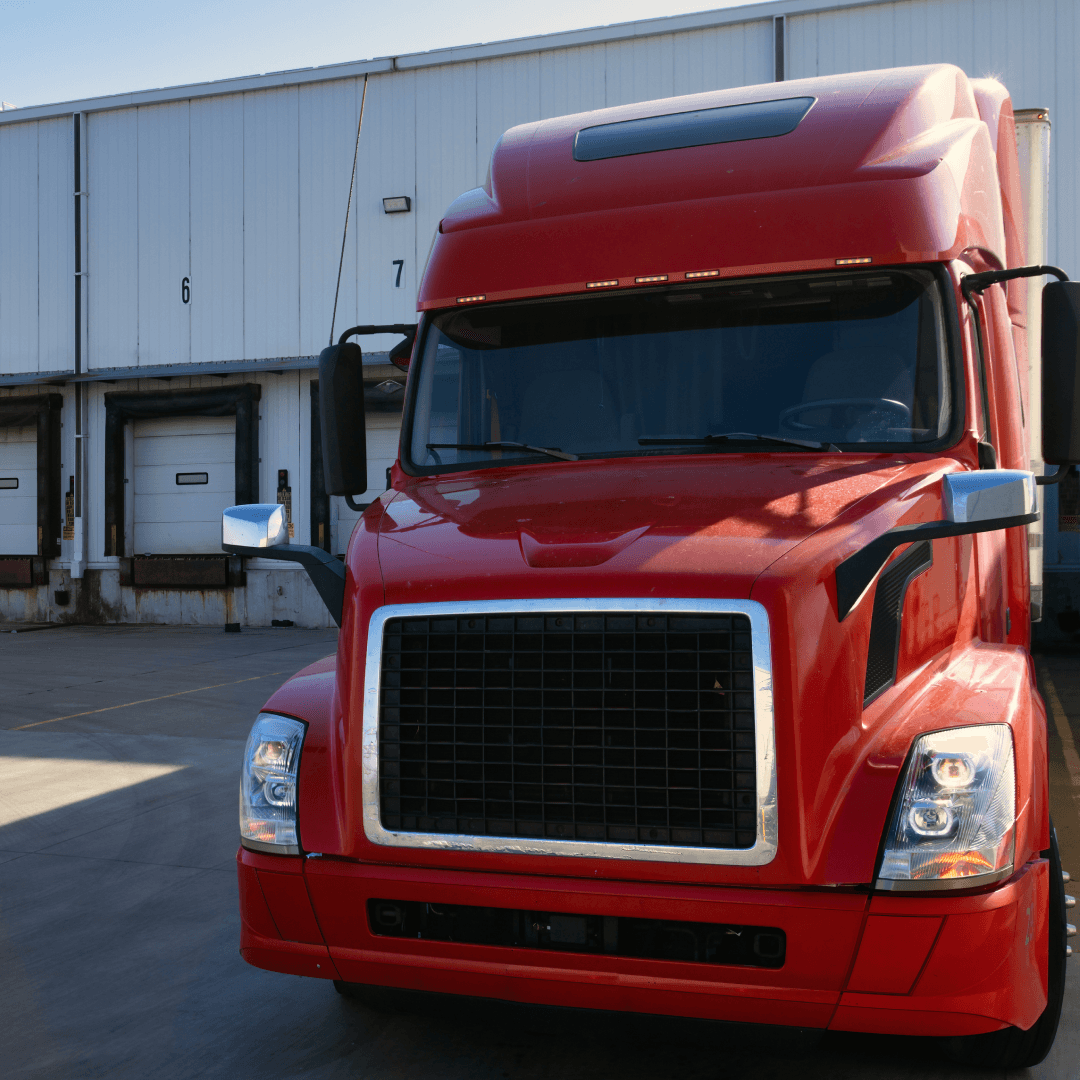
Overall, gate-to-dock times decrease and stabilize. This is key to driving efficiency, because these times have historically been uneven for many 3PLs. Even a few short walks back to the truck can throw dwell times into disarray and force hostlers into unnecessary coordination efforts. Eliminating the unpredictability lets you run things smoothly and meet your goals.
Optimize dock utilization
Because 3PL staff have real-time visibility into arrival logs, operations teams, including dock and yard coordinators, can see exactly who is on-site and waiting for a dock assignment. This lets teams ensure dock doors are filled immediately as they become available, optimizing both dock utilization and dwell times.
This is also where contactless driver check-in can help solve other operational challenges. Not only is the check-in process easier and more efficient for truckers and 3PL staff, the docks are more likely to run on time—and when the dock is on schedule, throughput is more likely to meet expectations.

Gain sitewide efficiency to protect profitability
Contactless driver check-in delivers higher value when it helps you realize sitewide efficiencies. Primarily, you can use it to reduce the risk of bottlenecks and prevent cascading effects across your facility and the larger supply chain.
This is crucial because a standardized process lets your logistics facility run as planned and gain control over operational impacts to profitability.
Standardization also supports easier data analysis. When metrics are normalized, it’s easier to keep shipments moving.

Avoid the invisible costs of bottlenecks
Bottlenecks are rarely singular events. They disrupt productivity at the site of the bottleneck, but they also leave productivity gaps in other parts of the yard and dock, directly threatening throughput at scale. In some cases, impacts may extend beyond your 3PL’s operations, harming efficiency across the logistics network and potentially slowing order-to-cash cycles for your customers.
Contactless driver check-in helps avoid bottlenecks by streamlining and stabilizing trucking flow through the yard and dock. This lets you avoid both the immediate and lost-opportunity costs of bottlenecks.
Keep yard and dock schedules organized
A trucking delay can invalidate the entire shift’s dock schedule. And, while contactless driver check-in speeds up gate-to-dock times, there are other reasons delays occur that may be outside your control.
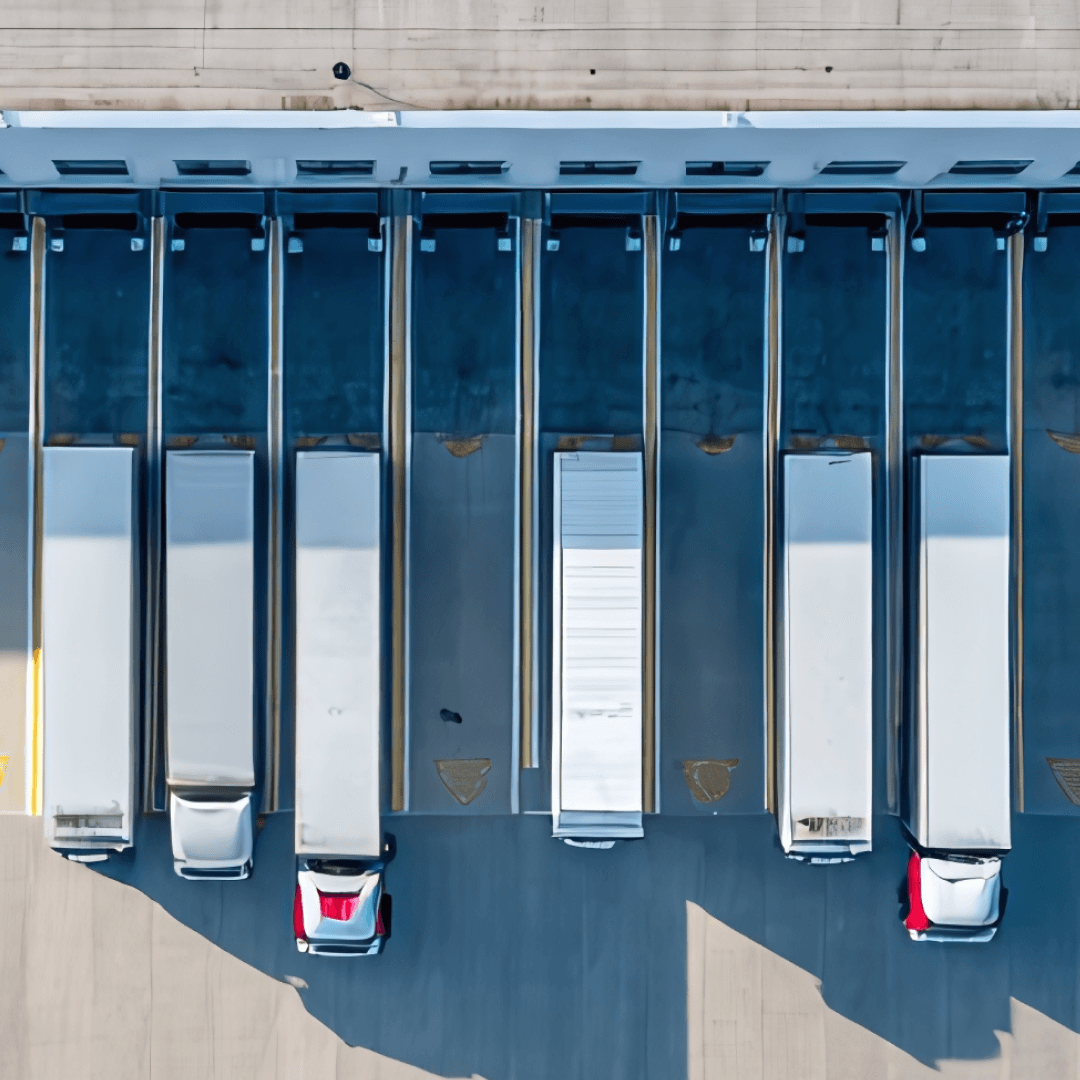
Contactless check-in can help make up for some of the lost time at arrival, but it can also signal to your system that you need to make a few decisions.
With check-ins connected to yard management systems (YMSs), you can see real-time yard maps to determine the best place for trucks to go when they arrive.
Sitewide appointment visibility provides an overview of what’s at risk and how you can adapt on the fly.
Broadcasting modes in your system let managers share updated information across the yard and dock so teams can adjust in real time.
Because check-ins are connected to your other logistics, you can rely on them as an actionable trigger for decision-making and exception management.
Control equipment costs and availability
Trucks stuck at the gate or in a yard are idle assets. The dead time can impact both the truck and other site equipment, like yard spotters, forklifts, and pallet jacks, that you may have assigned to specific loads.
Delays prevent both the truck and other equipment from turning over for the next scheduled move, potentially reducing container and chassis utilization and increasing landed cost.
If equipment belongs to partners, they may penalize you for tying it up.
As dwell times increase, 3PLs run the risk of detention fees.
These fees occur when you keep trucks beyond times listed in agreements and make up for the carrier’s inability to profit from the equipment as planned.
In some cases, it doesn’t take long for detention fees to materially erode profitability.
If you detain equipment regularly, carriers may be more protective, insisting on higher contract rates, refusing spot bookings, or avoiding some or all of your facilities.
Contactless driver check-in can reduce the risk of detention fees and other penalties by creating a clear, time-stamped record of arrivals. The system acts as a source of truth and lets your team monitor dwell times precisely and act to mitigate fees. When connected to your YMS, teams can receive notifications as free time winds down.
Build trust with customers
The efficiencies of contactless driver check-in can support customer satisfaction across your logistics operations, giving customers another reason to feel confident in your services.
When you operate from a systematic source of truth, customers trust you can help keep their goods safe and on schedule.
Help customers fulfill their agreements
Bottlenecks don’t just threaten your throughput. Your customers may suffer, too.
Your customers’ customers may have strict requirements for on-time, in-full deliveries. When those requirements aren’t met, your customers could have to pay fees and fines or lose shelf space they need to sell products and keep inventory turnover high.
Contactless driver check-ins limit these risks by keeping shipments moving through your facility. Reliable flow helps ensure you can meet throughput demands and maintain valuable agreements.
Provide clear records for exceptions
Customers may also appreciate how contactless check-in provides proof of truck driver identification and arrival. This layer of proof may deter bad actors from fraudulent activity, but also lets you quickly dive into events when other common exceptions occur.
Searchable, time-stamped intake data helps resolve issues with greater certainty so customers know they can count on you for accountability.
Learn more about digital driver check-In
Supply chains comprise many handoffs and touchpoints. Their interconnectedness means delays at one point can have far-reaching consequences, but simple pivots that increase efficiency can result in more turns per day, lower cost to serve, and higher customer satisfaction.
Contactless driver check-in lets 3PLs offload the burdens and risks of arrivals and check-ins to focus on streamlined throughput.
With Conduit, contactless driver check-in provides extended value to 3PLs by serving as an operational layer, not just a digital replacement for manual processes.
While some solutions simply provide timestamps or scans, Conduit lets you manage check-ins so they fit how your business actually runs.
Customize check-in fields and set guardrails that enforce your rules without extra work
Automatically attach documents to shipment records
Connect information to other touchpoints in the yard and at the dock.
This mix of features means 3PLs can automatically support daily flow while maintaining control over the decisions people need to make in high throughput environments.
For more on how Conduit’s contactless driver check-in works, take a self-serve tour.
For 3PLs, profitability depends on throughput, and throughput depends on truck turns—but getting trucks in and out isn’t always a perfect process. As much as 15 minutes can be wasted checking in a driver, but that’s only the start. Delays and bottlenecks are common at check in, door assignment, handling paperwork, and more. This puts the entire shift at risk of lost productivity.
Better driver check-ins can reduce friction at arrival, setting the stage for operational efficiency at scale. That’s because productivity losses cascade quickly. A bottleneck in one place creates a gap at another, hurting the larger operation and threatening throughput overall.
Contactless driver check-in does away with these risks with an easy process change. By digitizing check-ins, 3PLs can eliminate the back and forth of arrivals and documentation, while streamlining yard coordination and dock assignment into a simple workflow.
Drivers enter or upload information from phones or tablets, so data flows automatically into your system. Yard and dock staff see everything in real time and can get the truck in, loaded or unloaded, and back on the road to make room for the next one.
The clarity makes a difference. When everyone is aligned around the same operational goals, 3PLs can reduce administrative burdens, lessen efforts, and decrease required resources.
Contactless driver check-in is a simple change, but because it improves a foundational step, it protects your goals for each shift and can unlock efficiencies that improve throughput, customer satisfaction, and profitability. Read on to learn how contactless driver check-in lets you manage your yard and dock more effectively.
How digital driver check-in works
Contactless driver check-in can save up to 15 minutes per driver at arrival. The process keeps drivers in cabs and 3PLs in control of traffic and throughput.
When a driver arrives at the facility, they scan a custom QR code located on a sign, at a guard shack, or other kiosk without needing to leave their truck.
The driver uses their phone or tablet to follow a check-in flow you can customize. They can choose their language settings and input any details you require, like trailer and motor carrier (MC) numbers, Commercial Drivers Licenses (CDLs), and bills of lading (BOLs).
The system automatically ties the driver's input to the correct scheduled appointment and logs the data into a searchable sign-in log, even if it’s a work-in or early or late arrival.
Once checked in, the driver receives automated text messages with specific instructions. They’re notified via text exactly when and which dock door is ready for them. If they have questions, they can reply directly to facility staff.
Driver inputs automatically tie to the correct appointment and the sign-in log in your system and notify 3PL staff to take action. This frees your teams from the ongoing, often overwhelming clerical work that can make it hard to get drivers to the dock. Instead, they can focus on keeping shipments moving.
Solve common slowdowns with better check-ins
Contactless check-in can bring check-in times down to three minutes or less per driver. That’s because digitizing the process eliminates a lot of the work for you. Staff no longer have to perform manual data entry, deal with dozens of drivers, or manage long lines. Drivers stay in their cabs, avoiding back and forth across yards and reducing congestion that hostlers would normally handle.
Improve gate to dock times
Overall, gate-to-dock times decrease and stabilize. This is key to driving efficiency, because these times have historically been uneven for many 3PLs. Even a few short walks back to the truck can throw dwell times into disarray and force hostlers into unnecessary coordination efforts. Eliminating the unpredictability lets you run things smoothly and meet your goals.
Optimize dock utilization
Because 3PL staff have real-time visibility into arrival logs, operations teams, including dock and yard coordinators, can see exactly who is on-site and waiting for a dock assignment. This lets teams ensure dock doors are filled immediately as they become available, optimizing both dock utilization and dwell times.
This is also where contactless driver check-in can help solve other operational challenges. Not only is the check-in process easier and more efficient for truckers and 3PL staff, the docks are more likely to run on time—and when the dock is on schedule, throughput is more likely to meet expectations.
Gain sitewide efficiency to protect profitability
Contactless driver check-in delivers higher value when it helps you realize sitewide efficiencies. Primarily, you can use it to reduce the risk of bottlenecks and prevent cascading effects across your facility and the larger supply chain.
This is crucial because a standardized process lets your logistics facility run as planned and gain control over operational impacts to profitability.
Standardization also supports easier data analysis. When metrics are normalized, it’s easier to keep shipments moving.
Avoid the invisible costs of bottlenecks
Bottlenecks are rarely singular events. They disrupt productivity at the site of the bottleneck, but they also leave productivity gaps in other parts of the yard and dock, directly threatening throughput at scale. In some cases, impacts may extend beyond your 3PL’s operations, harming efficiency across the logistics network and potentially slowing order-to-cash cycles for your customers.
Contactless driver check-in helps avoid bottlenecks by streamlining and stabilizing trucking flow through the yard and dock. This lets you avoid both the immediate and lost-opportunity costs of bottlenecks.
Keep yard and dock schedules organized
A trucking delay can invalidate the entire shift’s dock schedule. And, while contactless driver check-in speeds up gate-to-dock times, there are other reasons delays occur that may be outside your control.
Contactless check-in can help make up for some of the lost time at arrival, but it can also signal to your system that you need to make a few decisions.
With check-ins connected to yard management systems (YMSs), you can see real-time yard maps to determine the best place for trucks to go when they arrive.
Sitewide appointment visibility provides an overview of what’s at risk and how you can adapt on the fly.
Broadcasting modes in your system let managers share updated information across the yard and dock so teams can adjust in real time.
Because check-ins are connected to your other logistics, you can rely on them as an actionable trigger for decision-making and exception management.
Control equipment costs and availability
Trucks stuck at the gate or in a yard are idle assets. The dead time can impact both the truck and other site equipment, like yard spotters, forklifts, and pallet jacks, that you may have assigned to specific loads.
Delays prevent both the truck and other equipment from turning over for the next scheduled move, potentially reducing container and chassis utilization and increasing landed cost.
If equipment belongs to partners, they may penalize you for tying it up.
As dwell times increase, 3PLs run the risk of detention fees.
These fees occur when you keep trucks beyond times listed in agreements and make up for the carrier’s inability to profit from the equipment as planned.
In some cases, it doesn’t take long for detention fees to materially erode profitability.
If you detain equipment regularly, carriers may be more protective, insisting on higher contract rates, refusing spot bookings, or avoiding some or all of your facilities.
Contactless driver check-in can reduce the risk of detention fees and other penalties by creating a clear, time-stamped record of arrivals. The system acts as a source of truth and lets your team monitor dwell times precisely and act to mitigate fees. When connected to your YMS, teams can receive notifications as free time winds down.
Build trust with customers
The efficiencies of contactless driver check-in can support customer satisfaction across your logistics operations, giving customers another reason to feel confident in your services.
When you operate from a systematic source of truth, customers trust you can help keep their goods safe and on schedule.
Help customers fulfill their agreements
Bottlenecks don’t just threaten your throughput. Your customers may suffer, too.
Your customers’ customers may have strict requirements for on-time, in-full deliveries. When those requirements aren’t met, your customers could have to pay fees and fines or lose shelf space they need to sell products and keep inventory turnover high.
Contactless driver check-ins limit these risks by keeping shipments moving through your facility. Reliable flow helps ensure you can meet throughput demands and maintain valuable agreements.
Provide clear records for exceptions
Customers may also appreciate how contactless check-in provides proof of truck driver identification and arrival. This layer of proof may deter bad actors from fraudulent activity, but also lets you quickly dive into events when other common exceptions occur.
Searchable, time-stamped intake data helps resolve issues with greater certainty so customers know they can count on you for accountability.
Learn more about digital driver check-In
Supply chains comprise many handoffs and touchpoints. Their interconnectedness means delays at one point can have far-reaching consequences, but simple pivots that increase efficiency can result in more turns per day, lower cost to serve, and higher customer satisfaction.
Contactless driver check-in lets 3PLs offload the burdens and risks of arrivals and check-ins to focus on streamlined throughput.
With Conduit, contactless driver check-in provides extended value to 3PLs by serving as an operational layer, not just a digital replacement for manual processes.
While some solutions simply provide timestamps or scans, Conduit lets you manage check-ins so they fit how your business actually runs.
Customize check-in fields and set guardrails that enforce your rules without extra work
Automatically attach documents to shipment records
Connect information to other touchpoints in the yard and at the dock.
This mix of features means 3PLs can automatically support daily flow while maintaining control over the decisions people need to make in high throughput environments.
For more on how Conduit’s contactless driver check-in works, take a self-serve tour.
For 3PLs, profitability depends on throughput, and throughput depends on truck turns—but getting trucks in and out isn’t always a perfect process. As much as 15 minutes can be wasted checking in a driver, but that’s only the start. Delays and bottlenecks are common at check in, door assignment, handling paperwork, and more. This puts the entire shift at risk of lost productivity.
Better driver check-ins can reduce friction at arrival, setting the stage for operational efficiency at scale. That’s because productivity losses cascade quickly. A bottleneck in one place creates a gap at another, hurting the larger operation and threatening throughput overall.
Contactless driver check-in does away with these risks with an easy process change. By digitizing check-ins, 3PLs can eliminate the back and forth of arrivals and documentation, while streamlining yard coordination and dock assignment into a simple workflow.
Drivers enter or upload information from phones or tablets, so data flows automatically into your system. Yard and dock staff see everything in real time and can get the truck in, loaded or unloaded, and back on the road to make room for the next one.
The clarity makes a difference. When everyone is aligned around the same operational goals, 3PLs can reduce administrative burdens, lessen efforts, and decrease required resources.
Contactless driver check-in is a simple change, but because it improves a foundational step, it protects your goals for each shift and can unlock efficiencies that improve throughput, customer satisfaction, and profitability. Read on to learn how contactless driver check-in lets you manage your yard and dock more effectively.
How digital driver check-in works
Contactless driver check-in can save up to 15 minutes per driver at arrival. The process keeps drivers in cabs and 3PLs in control of traffic and throughput.
When a driver arrives at the facility, they scan a custom QR code located on a sign, at a guard shack, or other kiosk without needing to leave their truck.
The driver uses their phone or tablet to follow a check-in flow you can customize. They can choose their language settings and input any details you require, like trailer and motor carrier (MC) numbers, Commercial Drivers Licenses (CDLs), and bills of lading (BOLs).
The system automatically ties the driver's input to the correct scheduled appointment and logs the data into a searchable sign-in log, even if it’s a work-in or early or late arrival.
Once checked in, the driver receives automated text messages with specific instructions. They’re notified via text exactly when and which dock door is ready for them. If they have questions, they can reply directly to facility staff.
Driver inputs automatically tie to the correct appointment and the sign-in log in your system and notify 3PL staff to take action. This frees your teams from the ongoing, often overwhelming clerical work that can make it hard to get drivers to the dock. Instead, they can focus on keeping shipments moving.
Solve common slowdowns with better check-ins
Contactless check-in can bring check-in times down to three minutes or less per driver. That’s because digitizing the process eliminates a lot of the work for you. Staff no longer have to perform manual data entry, deal with dozens of drivers, or manage long lines. Drivers stay in their cabs, avoiding back and forth across yards and reducing congestion that hostlers would normally handle.
Improve gate to dock times
Overall, gate-to-dock times decrease and stabilize. This is key to driving efficiency, because these times have historically been uneven for many 3PLs. Even a few short walks back to the truck can throw dwell times into disarray and force hostlers into unnecessary coordination efforts. Eliminating the unpredictability lets you run things smoothly and meet your goals.
Optimize dock utilization
Because 3PL staff have real-time visibility into arrival logs, operations teams, including dock and yard coordinators, can see exactly who is on-site and waiting for a dock assignment. This lets teams ensure dock doors are filled immediately as they become available, optimizing both dock utilization and dwell times.
This is also where contactless driver check-in can help solve other operational challenges. Not only is the check-in process easier and more efficient for truckers and 3PL staff, the docks are more likely to run on time—and when the dock is on schedule, throughput is more likely to meet expectations.
Gain sitewide efficiency to protect profitability
Contactless driver check-in delivers higher value when it helps you realize sitewide efficiencies. Primarily, you can use it to reduce the risk of bottlenecks and prevent cascading effects across your facility and the larger supply chain.
This is crucial because a standardized process lets your logistics facility run as planned and gain control over operational impacts to profitability.
Standardization also supports easier data analysis. When metrics are normalized, it’s easier to keep shipments moving.
Avoid the invisible costs of bottlenecks
Bottlenecks are rarely singular events. They disrupt productivity at the site of the bottleneck, but they also leave productivity gaps in other parts of the yard and dock, directly threatening throughput at scale. In some cases, impacts may extend beyond your 3PL’s operations, harming efficiency across the logistics network and potentially slowing order-to-cash cycles for your customers.
Contactless driver check-in helps avoid bottlenecks by streamlining and stabilizing trucking flow through the yard and dock. This lets you avoid both the immediate and lost-opportunity costs of bottlenecks.
Keep yard and dock schedules organized
A trucking delay can invalidate the entire shift’s dock schedule. And, while contactless driver check-in speeds up gate-to-dock times, there are other reasons delays occur that may be outside your control.
Contactless check-in can help make up for some of the lost time at arrival, but it can also signal to your system that you need to make a few decisions.
With check-ins connected to yard management systems (YMSs), you can see real-time yard maps to determine the best place for trucks to go when they arrive.
Sitewide appointment visibility provides an overview of what’s at risk and how you can adapt on the fly.
Broadcasting modes in your system let managers share updated information across the yard and dock so teams can adjust in real time.
Because check-ins are connected to your other logistics, you can rely on them as an actionable trigger for decision-making and exception management.
Control equipment costs and availability
Trucks stuck at the gate or in a yard are idle assets. The dead time can impact both the truck and other site equipment, like yard spotters, forklifts, and pallet jacks, that you may have assigned to specific loads.
Delays prevent both the truck and other equipment from turning over for the next scheduled move, potentially reducing container and chassis utilization and increasing landed cost.
If equipment belongs to partners, they may penalize you for tying it up.
As dwell times increase, 3PLs run the risk of detention fees.
These fees occur when you keep trucks beyond times listed in agreements and make up for the carrier’s inability to profit from the equipment as planned.
In some cases, it doesn’t take long for detention fees to materially erode profitability.
If you detain equipment regularly, carriers may be more protective, insisting on higher contract rates, refusing spot bookings, or avoiding some or all of your facilities.
Contactless driver check-in can reduce the risk of detention fees and other penalties by creating a clear, time-stamped record of arrivals. The system acts as a source of truth and lets your team monitor dwell times precisely and act to mitigate fees. When connected to your YMS, teams can receive notifications as free time winds down.
Build trust with customers
The efficiencies of contactless driver check-in can support customer satisfaction across your logistics operations, giving customers another reason to feel confident in your services.
When you operate from a systematic source of truth, customers trust you can help keep their goods safe and on schedule.
Help customers fulfill their agreements
Bottlenecks don’t just threaten your throughput. Your customers may suffer, too.
Your customers’ customers may have strict requirements for on-time, in-full deliveries. When those requirements aren’t met, your customers could have to pay fees and fines or lose shelf space they need to sell products and keep inventory turnover high.
Contactless driver check-ins limit these risks by keeping shipments moving through your facility. Reliable flow helps ensure you can meet throughput demands and maintain valuable agreements.
Provide clear records for exceptions
Customers may also appreciate how contactless check-in provides proof of truck driver identification and arrival. This layer of proof may deter bad actors from fraudulent activity, but also lets you quickly dive into events when other common exceptions occur.
Searchable, time-stamped intake data helps resolve issues with greater certainty so customers know they can count on you for accountability.
Learn more about digital driver check-In
Supply chains comprise many handoffs and touchpoints. Their interconnectedness means delays at one point can have far-reaching consequences, but simple pivots that increase efficiency can result in more turns per day, lower cost to serve, and higher customer satisfaction.
Contactless driver check-in lets 3PLs offload the burdens and risks of arrivals and check-ins to focus on streamlined throughput.
With Conduit, contactless driver check-in provides extended value to 3PLs by serving as an operational layer, not just a digital replacement for manual processes.
While some solutions simply provide timestamps or scans, Conduit lets you manage check-ins so they fit how your business actually runs.
Customize check-in fields and set guardrails that enforce your rules without extra work
Automatically attach documents to shipment records
Connect information to other touchpoints in the yard and at the dock.
This mix of features means 3PLs can automatically support daily flow while maintaining control over the decisions people need to make in high throughput environments.
For more on how Conduit’s contactless driver check-in works, take a self-serve tour.
Get Started
Resources
Contact
Copyright © 2026. All Rights Reserved
Copyright © 2026. All Rights Reserved
🇺🇸 Based in the USA
🇺🇸 Based in the USA