

Why Photo Proof needs to be part of your system of record
March 13, 2026

The Conduit Team

Why Photo Proof needs to be part of your system of record
March 13, 2026
The Conduit Team
Why Photo Proof needs to be part of your system of record
March 13, 2026
The Conduit Team
Why Photo Proof needs to be part of your system of record
March 13, 2026
The Conduit Team
Most 3PLs already take photos at the dock and other key handoff points, but without a clear system of record, those images may not be usable as proof.
If an exception occurs, you may still be exposed to financial risk and liability, because you can’t quickly find the proof and establish what happened. It may just be easier to pay the other party and preserve the relationship and your reputation.
Photo proof captured in a system of record closes these risk gaps by attaching images to shipment records with appointments, truck drivers, and other yard and dock events you already track.
If someone files a claim, your team can pull up a complete visual record in moments instead of chasing screenshots, searching through email threads, scrolling through camera rolls, and hoping you have enough documentation.
Visual proof builds trust and accountability across partnerships, too. Timestamped photos in a system of record create an audit trail of events, so everyone can see what happened. As a result, 3PLs can resolve exceptions with accuracy while limiting the back-and-forth that can strain relationships.
At scale, this lets you align the costs of claims and exception management with reality. Better visibility into those costs helps you build towards more predictable forecasting and stronger cash-flow management that can increase profitability or provide for growth investments.
As logistics becomes more digitized and centrally managed, bringing photo proof into your operational system is a simple way to gain advantages in an evolving market.
Want to see it in action? TAKE A TOUR
How photo proof works
Photo proof lets truck drivers and 3PLs capture visual documentation of loads and assets. Those images are then linked directly to operational records, creating a tamper‑evident audit trail.
3PL staff use a mobile app to take photos of pallets, trailers, and equipment, uploading them to a centralized, cloud-based system. Photos taken by drivers and shared via SMS are also automatically saved to the system.
When photos are captured as part of a form, they are linked to the specific step they document, creating a more complete inspection or handoff record.
Each photo is attached to the corresponding shipment, load, or work order record, so the image appears alongside bills of lading, delivery confirmations, or inspection reports.
Photos are timestamped, geotagged, and stored securely so as to prevent editing or alteration.
Authorized users can easily search for images from the web dashboard or mobile app at any time.
3PLs can share images with partners, providing immediate visual evidence during audits, claims, or dispute resolution.
You may also customize workflows to prompt and require photos at certain handoff points. By creating a system of visibility and control, you can protect your business by ensuring you have photos for each customer, load, or handoff point.

Common uses of photo proof
Use photo proof to create visibility and accountability across yard and dock operations. By attaching images directly to load records, you can replace unclear or disconnected documentation with visual evidence that drives faster resolution, stronger compliance, and greater trust.
Capture load condition before and after loading
Photos taken at the dock show the condition of goods when they arrive and when they leave your facility. This protects both warehouse and carrier teams by showing that the load was complete and undamaged at handoff. That can be especially helpful for specific use cases, like cold chains. Once the trailer leaves the facility, those photos can become some of the only proof of the load’s condition at shipment.

Verify seals at check‑in and check‑out
Seal photos document seal condition and seal numbers at check-in and check-out.That creates a visual record that satisfies food safety programs, CTPAT compliance, and insurance requirements.
Inspect trailer interiors for cleanliness and damage
Photograph interior walls, floors, and temperature readings, capturing details that are linked to specific inspection steps. This eliminates incomplete paper checklists and builds defensible inspection records.

Attach shipping documents instantly
Instead of scanning or emailing bills of lading, packing lists, or pick tickets, staff can snap a photo and automatically link it to the corresponding load. This streamlines recordkeeping and reduces manual administrative burdens.
Document OS&D issues with proof
When a shipment arrives short or damaged, timestamped photos provide objective evidence that resolves disputes quickly and prevents unnecessary claim payouts.

Increase customer satisfaction when resolving exceptions
Timestamped photos provide unambiguous documentation of product condition, packaging, and handling at every touchpoint. This eliminates guesswork about what happened and when, so you can provide trustworthy customer service during moments of potential uncertainty.
Photo proof helps reduce friction by showing exactly how a load arrived at or left the warehouse, converting vague claims into factual discussions.

You can ensure documentation happens consistently by embedding photo proof directly into your workflows, including driver check-ins, trailer inspections, load condition checks, and damage reports. That helps ensure proof is captured consistently instead of relying on someone to remember to document an issue after the fact.
Photos are then easy to find quickly because they integrate with operational management systems, creating a verified chain of events that’s systematically linked where you need it. This lets you respond quickly to customer and carrier matters, which can help signal that you take their concerns seriously.
Exceptions can be a source of disappointment or conflict, but if you handle them with accountability, they can become an opportunity to build trust and strengthen relationships.
Improve performance analysis with reliable data
It’s common for 3PLs without systemized photo proof to simply pay out on claims. When uncertainty arises, it can be better for business to maintain customer relations, even if you’re not technically responsible.
But this has cascading impacts on your business. It’s hard to know how your team is really performing or where you should invest in operational improvements and staff training.
Without reliable proof, costs can be harder to attribute accurately. This means you can’t see every opportunity to improve margins or fully align cash flow with reality.
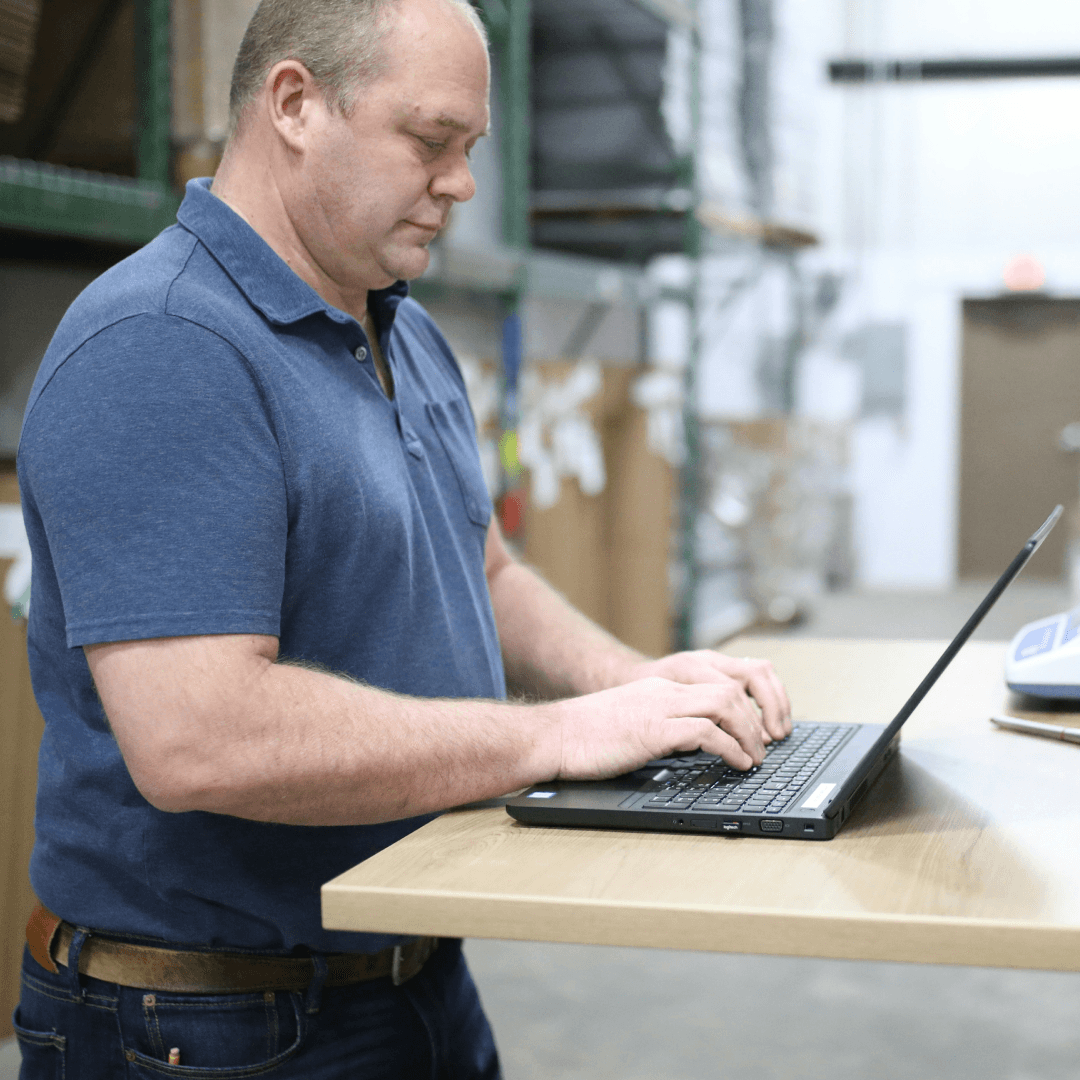
For example, when every exception has photos attached, you can see if damage write‑offs are tied to a certain lane or carrier or spread across your entire network. That makes it easier to determine where you may have operational or relationship issues.
Over time, patterns like repeat damage on certain routes, higher‑than‑average shortages at one site, or chronic claims from specific partners become visible, empowering you to take appropriate corrective actions.
With visibility into your actual liabilities, you can also improve financial discipline, including forecasting and planning. For 3PLs with large or multiple sites, having the correct line items for exceptions can materially impact these metrics, freeing up cash for reinvestment in growth.
Explore Conduit Photo Proof
Conduit Photo Proof makes it simple for 3PLs, drivers, and customers to upload photos from any device at key handoff points.
And because Conduit is modular, you can connect photos to Driver Check-in, Dock Scheduling, and Yard Management to build a system that fits your current operations with flexibility to grow.
Most 3PLs already take photos at the dock and other key handoff points, but without a clear system of record, those images may not be usable as proof.
If an exception occurs, you may still be exposed to financial risk and liability, because you can’t quickly find the proof and establish what happened. It may just be easier to pay the other party and preserve the relationship and your reputation.
Photo proof captured in a system of record closes these risk gaps by attaching images to shipment records with appointments, truck drivers, and other yard and dock events you already track.
If someone files a claim, your team can pull up a complete visual record in moments instead of chasing screenshots, searching through email threads, scrolling through camera rolls, and hoping you have enough documentation.
Visual proof builds trust and accountability across partnerships, too. Timestamped photos in a system of record create an audit trail of events, so everyone can see what happened. As a result, 3PLs can resolve exceptions with accuracy while limiting the back-and-forth that can strain relationships.
At scale, this lets you align the costs of claims and exception management with reality. Better visibility into those costs helps you build towards more predictable forecasting and stronger cash-flow management that can increase profitability or provide for growth investments.
As logistics becomes more digitized and centrally managed, bringing photo proof into your operational system is a simple way to gain advantages in an evolving market.
Want to see it in action? TAKE A TOUR
How photo proof works
Photo proof lets truck drivers and 3PLs capture visual documentation of loads and assets. Those images are then linked directly to operational records, creating a tamper‑evident audit trail.
3PL staff use a mobile app to take photos of pallets, trailers, and equipment, uploading them to a centralized, cloud-based system. Photos taken by drivers and shared via SMS are also automatically saved to the system.
When photos are captured as part of a form, they are linked to the specific step they document, creating a more complete inspection or handoff record.
Each photo is attached to the corresponding shipment, load, or work order record, so the image appears alongside bills of lading, delivery confirmations, or inspection reports.
Photos are timestamped, geotagged, and stored securely so as to prevent editing or alteration.
Authorized users can easily search for images from the web dashboard or mobile app at any time.
3PLs can share images with partners, providing immediate visual evidence during audits, claims, or dispute resolution.
You may also customize workflows to prompt and require photos at certain handoff points. By creating a system of visibility and control, you can protect your business by ensuring you have photos for each customer, load, or handoff point.
Common uses of photo proof
Use photo proof to create visibility and accountability across yard and dock operations. By attaching images directly to load records, you can replace unclear or disconnected documentation with visual evidence that drives faster resolution, stronger compliance, and greater trust.
Capture load condition before and after loading
Photos taken at the dock show the condition of goods when they arrive and when they leave your facility. This protects both warehouse and carrier teams by showing that the load was complete and undamaged at handoff. That can be especially helpful for specific use cases, like cold chains. Once the trailer leaves the facility, those photos can become some of the only proof of the load’s condition at shipment.
Verify seals at check‑in and check‑out
Seal photos document seal condition and seal numbers at check-in and check-out.That creates a visual record that satisfies food safety programs, CTPAT compliance, and insurance requirements.
Inspect trailer interiors for cleanliness and damage
Photograph interior walls, floors, and temperature readings, capturing details that are linked to specific inspection steps. This eliminates incomplete paper checklists and builds defensible inspection records.
Attach shipping documents instantly
Instead of scanning or emailing bills of lading, packing lists, or pick tickets, staff can snap a photo and automatically link it to the corresponding load. This streamlines recordkeeping and reduces manual administrative burdens.
Document OS&D issues with proof
When a shipment arrives short or damaged, timestamped photos provide objective evidence that resolves disputes quickly and prevents unnecessary claim payouts.
Increase customer satisfaction when resolving exceptions
Timestamped photos provide unambiguous documentation of product condition, packaging, and handling at every touchpoint. This eliminates guesswork about what happened and when, so you can provide trustworthy customer service during moments of potential uncertainty.
Photo proof helps reduce friction by showing exactly how a load arrived at or left the warehouse, converting vague claims into factual discussions.
You can ensure documentation happens consistently by embedding photo proof directly into your workflows, including driver check-ins, trailer inspections, load condition checks, and damage reports. That helps ensure proof is captured consistently instead of relying on someone to remember to document an issue after the fact.
Photos are then easy to find quickly because they integrate with operational management systems, creating a verified chain of events that’s systematically linked where you need it. This lets you respond quickly to customer and carrier matters, which can help signal that you take their concerns seriously.
Exceptions can be a source of disappointment or conflict, but if you handle them with accountability, they can become an opportunity to build trust and strengthen relationships.
Improve performance analysis with reliable data
It’s common for 3PLs without systemized photo proof to simply pay out on claims. When uncertainty arises, it can be better for business to maintain customer relations, even if you’re not technically responsible.
But this has cascading impacts on your business. It’s hard to know how your team is really performing or where you should invest in operational improvements and staff training.
Without reliable proof, costs can be harder to attribute accurately. This means you can’t see every opportunity to improve margins or fully align cash flow with reality.
For example, when every exception has photos attached, you can see if damage write‑offs are tied to a certain lane or carrier or spread across your entire network. That makes it easier to determine where you may have operational or relationship issues.
Over time, patterns like repeat damage on certain routes, higher‑than‑average shortages at one site, or chronic claims from specific partners become visible, empowering you to take appropriate corrective actions.
With visibility into your actual liabilities, you can also improve financial discipline, including forecasting and planning. For 3PLs with large or multiple sites, having the correct line items for exceptions can materially impact these metrics, freeing up cash for reinvestment in growth.
Explore Conduit Photo Proof
Conduit Photo Proof makes it simple for 3PLs, drivers, and customers to upload photos from any device at key handoff points.
And because Conduit is modular, you can connect photos to Driver Check-in, Dock Scheduling, and Yard Management to build a system that fits your current operations with flexibility to grow.
Most 3PLs already take photos at the dock and other key handoff points, but without a clear system of record, those images may not be usable as proof.
If an exception occurs, you may still be exposed to financial risk and liability, because you can’t quickly find the proof and establish what happened. It may just be easier to pay the other party and preserve the relationship and your reputation.
Photo proof captured in a system of record closes these risk gaps by attaching images to shipment records with appointments, truck drivers, and other yard and dock events you already track.
If someone files a claim, your team can pull up a complete visual record in moments instead of chasing screenshots, searching through email threads, scrolling through camera rolls, and hoping you have enough documentation.
Visual proof builds trust and accountability across partnerships, too. Timestamped photos in a system of record create an audit trail of events, so everyone can see what happened. As a result, 3PLs can resolve exceptions with accuracy while limiting the back-and-forth that can strain relationships.
At scale, this lets you align the costs of claims and exception management with reality. Better visibility into those costs helps you build towards more predictable forecasting and stronger cash-flow management that can increase profitability or provide for growth investments.
As logistics becomes more digitized and centrally managed, bringing photo proof into your operational system is a simple way to gain advantages in an evolving market.
Want to see it in action? TAKE A TOUR
How photo proof works
Photo proof lets truck drivers and 3PLs capture visual documentation of loads and assets. Those images are then linked directly to operational records, creating a tamper‑evident audit trail.
3PL staff use a mobile app to take photos of pallets, trailers, and equipment, uploading them to a centralized, cloud-based system. Photos taken by drivers and shared via SMS are also automatically saved to the system.
When photos are captured as part of a form, they are linked to the specific step they document, creating a more complete inspection or handoff record.
Each photo is attached to the corresponding shipment, load, or work order record, so the image appears alongside bills of lading, delivery confirmations, or inspection reports.
Photos are timestamped, geotagged, and stored securely so as to prevent editing or alteration.
Authorized users can easily search for images from the web dashboard or mobile app at any time.
3PLs can share images with partners, providing immediate visual evidence during audits, claims, or dispute resolution.
You may also customize workflows to prompt and require photos at certain handoff points. By creating a system of visibility and control, you can protect your business by ensuring you have photos for each customer, load, or handoff point.
Common uses of photo proof
Use photo proof to create visibility and accountability across yard and dock operations. By attaching images directly to load records, you can replace unclear or disconnected documentation with visual evidence that drives faster resolution, stronger compliance, and greater trust.
Capture load condition before and after loading
Photos taken at the dock show the condition of goods when they arrive and when they leave your facility. This protects both warehouse and carrier teams by showing that the load was complete and undamaged at handoff. That can be especially helpful for specific use cases, like cold chains. Once the trailer leaves the facility, those photos can become some of the only proof of the load’s condition at shipment.
Verify seals at check‑in and check‑out
Seal photos document seal condition and seal numbers at check-in and check-out.That creates a visual record that satisfies food safety programs, CTPAT compliance, and insurance requirements.
Inspect trailer interiors for cleanliness and damage
Photograph interior walls, floors, and temperature readings, capturing details that are linked to specific inspection steps. This eliminates incomplete paper checklists and builds defensible inspection records.
Attach shipping documents instantly
Instead of scanning or emailing bills of lading, packing lists, or pick tickets, staff can snap a photo and automatically link it to the corresponding load. This streamlines recordkeeping and reduces manual administrative burdens.
Document OS&D issues with proof
When a shipment arrives short or damaged, timestamped photos provide objective evidence that resolves disputes quickly and prevents unnecessary claim payouts.
Increase customer satisfaction when resolving exceptions
Timestamped photos provide unambiguous documentation of product condition, packaging, and handling at every touchpoint. This eliminates guesswork about what happened and when, so you can provide trustworthy customer service during moments of potential uncertainty.
Photo proof helps reduce friction by showing exactly how a load arrived at or left the warehouse, converting vague claims into factual discussions.
You can ensure documentation happens consistently by embedding photo proof directly into your workflows, including driver check-ins, trailer inspections, load condition checks, and damage reports. That helps ensure proof is captured consistently instead of relying on someone to remember to document an issue after the fact.
Photos are then easy to find quickly because they integrate with operational management systems, creating a verified chain of events that’s systematically linked where you need it. This lets you respond quickly to customer and carrier matters, which can help signal that you take their concerns seriously.
Exceptions can be a source of disappointment or conflict, but if you handle them with accountability, they can become an opportunity to build trust and strengthen relationships.
Improve performance analysis with reliable data
It’s common for 3PLs without systemized photo proof to simply pay out on claims. When uncertainty arises, it can be better for business to maintain customer relations, even if you’re not technically responsible.
But this has cascading impacts on your business. It’s hard to know how your team is really performing or where you should invest in operational improvements and staff training.
Without reliable proof, costs can be harder to attribute accurately. This means you can’t see every opportunity to improve margins or fully align cash flow with reality.
For example, when every exception has photos attached, you can see if damage write‑offs are tied to a certain lane or carrier or spread across your entire network. That makes it easier to determine where you may have operational or relationship issues.
Over time, patterns like repeat damage on certain routes, higher‑than‑average shortages at one site, or chronic claims from specific partners become visible, empowering you to take appropriate corrective actions.
With visibility into your actual liabilities, you can also improve financial discipline, including forecasting and planning. For 3PLs with large or multiple sites, having the correct line items for exceptions can materially impact these metrics, freeing up cash for reinvestment in growth.
Explore Conduit Photo Proof
Conduit Photo Proof makes it simple for 3PLs, drivers, and customers to upload photos from any device at key handoff points.
And because Conduit is modular, you can connect photos to Driver Check-in, Dock Scheduling, and Yard Management to build a system that fits your current operations with flexibility to grow.
Get Started
Resources
Contact
Copyright © 2026. All Rights Reserved
Copyright © 2026. All Rights Reserved
🇺🇸 Based in the USA
🇺🇸 Based in the USA